



Why Every Driver Needs an In-Car Dash Camera in 2026
Jul 07, 2026
What is a Data Archiving System and Why it Matters?
With constant data creation across systems and platforms, managing information efficiently has become a critical business priority. Every organization generates large volumes of data through customer interactions, financial transactions, emails, reports, system logs, and compliance records. As this data continues to grow, storing and managing it properly is no longer just an IT task, it is a business necessity. This is where a data archiving system becomes extremely important.
A data archiving system allows businesses to store important but inactive data securely for long-term use without affecting the performance of active systems. It helps organizations stay compliant, reduce costs, and protect valuable information while keeping operational systems fast and efficient.
What is a Data Archiving System?
A data archiving system is a structured solution designed to store data that is no longer used in daily operations but must be retained for future reference, audits, legal requirements, or historical analysis. Instead of keeping all data in live systems, archiving moves older data to dedicated storage environments.
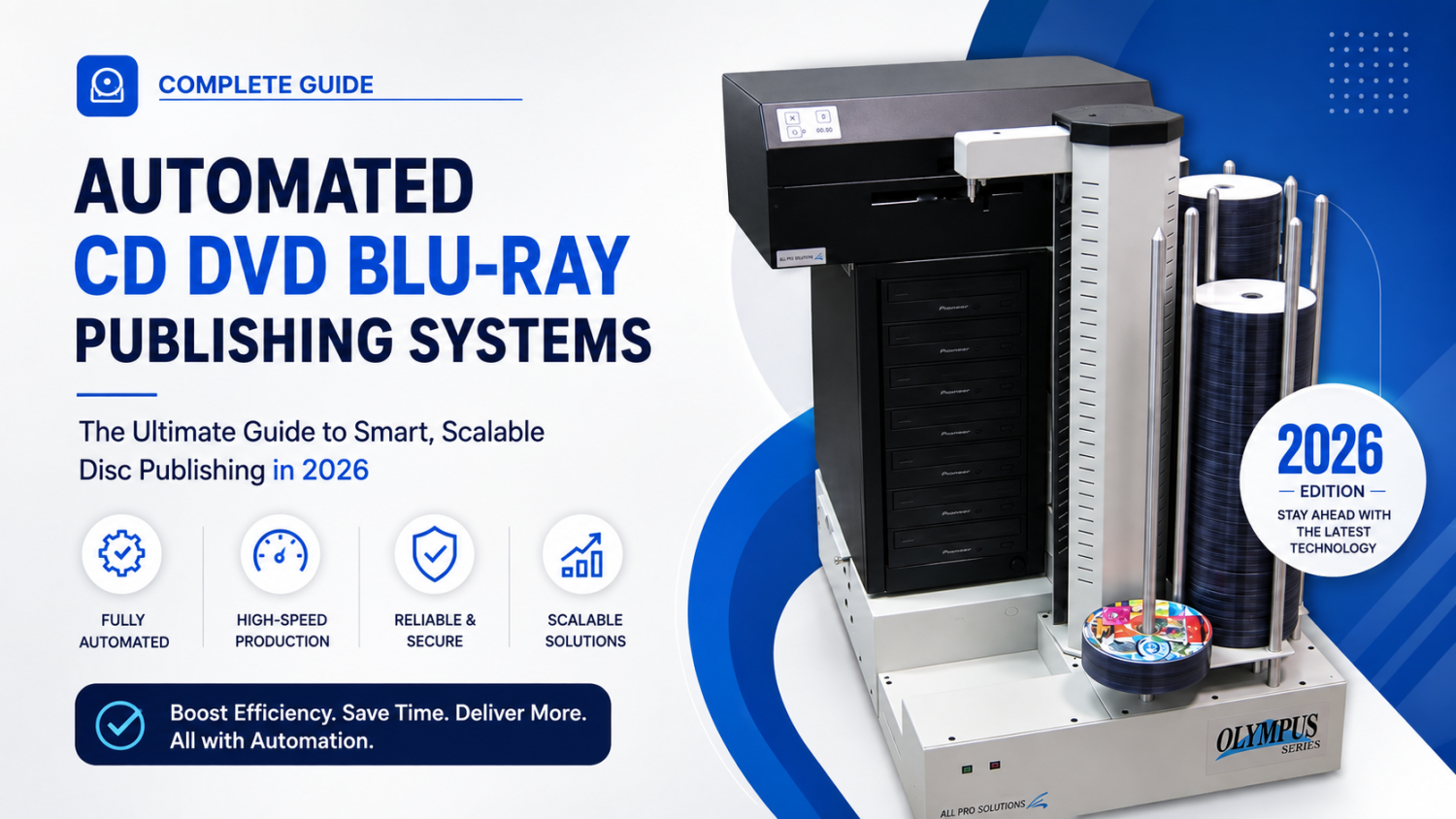
Many organizations now rely on Automated Data Archiving & Offline Storage Systems to manage this process efficiently. These systems reduce manual work, minimize errors, and ensure data is archived securely and consistently.
How a Data Archiving System Works
A data archiving system works through a well-defined and mostly automated process. First, the system identifies inactive data based on predefined policies such as data age, usage frequency, or business rules. Using automated data collection, the system gathers this data from databases, applications, and servers.
The collected data is then transferred to long-term storage. This storage may be cloud-based, on-premise, or offline depending on organizational requirements. Some organizations prefer Automated Optical Data Archiving & Offline Storage Solutions, which store data on optical media known for durability and long data life. Archived data remains indexed, searchable, and easy to retrieve when required.
Why Data Archiving Matters for Businesses
Improves System Performance
Active systems slow down when they store large amounts of outdated data. Archiving removes inactive data from live environments, improving system speed and performance.
Reduces Storage and IT Costs
High-performance storage is expensive. A data archiving system shifts older data to cost-effective storage or offline systems, helping businesses reduce infrastructure and maintenance costs.
Supports Legal and Regulatory Compliance
Many industries are required to retain data for several years. A reliable data archiving system ensures compliance with legal, financial, and industry regulations.
Enhances Data Security
Archived data is protected using encryption, access controls, and audit trails. Offline storage further reduces exposure to cyber threats such as ransomware.
Ensures Business Continuity
Historical data is often required for audits, investigations, and business analysis. Archiving ensures that important data is preserved and accessible whenever needed.
Difference Between Data Backup and Data Archiving
Data backup and data archiving are often confused, but they serve different purposes.
Data backup focuses on short-term protection and recovery. It is designed to restore data quickly in case of accidental deletion, system failure, or cyberattacks. Backup data usually includes active and frequently changing information. Backups are created regularly and often overwritten with new versions.
Data archiving, on the other hand, is meant for long-term data retention. It stores data that is no longer actively used but must be preserved for compliance, historical reference, or business needs. Archived data remains unchanged and securely stored for years. While backups help recover lost data, archiving helps manage and protect data over the long term.
Automated Data Archiving & Offline Storage Systems
Manual data archiving is time-consuming and prone to errors. This is why businesses increasingly adopt Automated Data Archiving & Offline Storage Systems. These systems automatically identify, collect, and store data based on defined policies.
Offline storage adds an extra layer of security by isolating archived data from live networks. This significantly reduces the risk of cyberattacks while ensuring data remains available when required.
Automated Optical Data Archiving & Offline Storage Solutions
Automated Optical Data Archiving & Offline Storage Solutions use optical media such as WORM or Blu-ray discs to preserve data for long durations. Optical storage is highly reliable, tamper-resistant, and ideal for industries that require strict compliance.
These solutions are commonly used in healthcare, government, finance, and legal sectors where data integrity and long-term preservation are critical.
Who Needs a Data Archiving System?
A data archiving system is valuable for organizations such as:
* Enterprises and large corporations
* Banks and financial institutions
* Healthcare and medical organizations
* Government and public sector departments
* Legal and compliance-driven firms
Any business using automated data collection and offline storage systems can benefit from improved control, security, and scalability.
Key Features of an Effective Data Archiving System
An effective data archiving system should include automation, secure encryption, controlled access, fast search and retrieval, scalability, and easy integration with existing IT infrastructure. These features ensure long-term efficiency and reliability.
Conclusion
A data archiving system is a critical part of modern data management. As data volumes continue to increase, businesses need secure, scalable, and automated solutions to manage information efficiently.
By adopting Automated Data Archiving & Offline Storage Systems and Automated Optical Data Archiving & Offline Storage Solutions, organizations can reduce costs, improve security, meet compliance needs, and protect valuable data for the future.
Frequently Asked Questions (FAQs)
1. What is the main purpose of a data archiving system?
The main purpose is to store inactive data securely for long-term use while improving system performance and reducing costs.
2. Is archived data permanently stored?
Yes, archived data is stored for long periods and is not overwritten, ensuring integrity and compliance.
3. Can archived data be accessed when needed?
Yes, modern data archiving systems allow quick search and easy retrieval of archived data.
4. Are automated data archiving systems secure?
Yes, they use encryption, access controls, audit logs, and offline storage for high security.
5. Which industries benefit most from data archiving?
Finance, healthcare, government, legal, and IT sectors benefit the most due to strict data retention requirements.
