



Why Every Driver Needs an In-Car Dash Camera in 2026
Jul 07, 2026
The data-driven business era today means companies create thousands of data each day. From communications and customers to documents and projects, it is crucial to keep and manage such data effectively. That is where automated data archiving and offline storage solutions enter the scene.
No matter whether your company is small, medium-sized, or large-scale—a small, medium-sized, or large corporation—it can protect your firm from losing data, reduce operation cost, and optimize performance if it has a nicely designed data archiving solution.
What Is Automated Data Archiving?
Automated archiving refers to regular scanning and migration of inactive or infrequently accessed information to separate long-term storage media. The greatest benefit? It occurs automatically with fewer efforts and errors.
Instead of holding every item in your lead systems, slowing down processes, and amounting to higher storage space costs, automated archiving keeps data up-to-date that is actively used while moving the remainder safely stored as required for regulatory maintenance or referral purposes.
Advantages of Automated Data Archiving
1. Increased Storage Efficiency
It's storing old or infrequently accessed data in your main storage that clogs your system. Keeping it in the archive clears space so your live systems will perform better and quicker.
2. Lower Storage Costs
Main storage (especially on the cloud) is expensive. Storing older data in offline or low-cost storage media or archiving solutions saves you unnecessary expenses without sacrificing access to data whenever you need it.
3. Better Data Security
Automated archiving software usually includes secure data backup features, and your data is encrypted and preserved from cyber attacks, accidental deletion, or hardware failure.
4. Compliance with Regulations
Healthcare, finance, and legal services sectors must retain some records for an extended amount of time. Automated archiving ensures that companies will remain data retention regulatory compliant without overwhelming day-to-day systems.
5. Disaster Recovery Support
Data stored acts as a safeguard in the event of system failure, ransomware infection, or an act of nature. Offline storage—such as tape drives or external hard discs—adds another security layer in the form of being kept separate from online risks.
Why Offline Storage Remain Useful?
Even if cloud storage is popular, offline data storage is still essential for several reasons:
Air-gapped security: Since offline computers are not linked to the internet, they cannot be accessed by any form of cyber attack.
Low cost for cold data: Storing less frequently accessed data (cold data) is a lot less expensive offline.
Durability: Offline media like tapes can keep data in mint condition for 20+ years, ideal for legal or historical uses.
Even major companies use hybrid solutions—machine-based cloud archiving with regular backup to off-line storage—in the pursuit of total data security and accessibility.
Choosing the Right Data Archiving Solution
Some of the considerations to keep in mind when choosing an enterprise data management solution are the following:
Does it integrate with your existing systems?
Will it scale with your data growth?
Is it industry standards compliant?
Will it support online and off-line storage solutions?
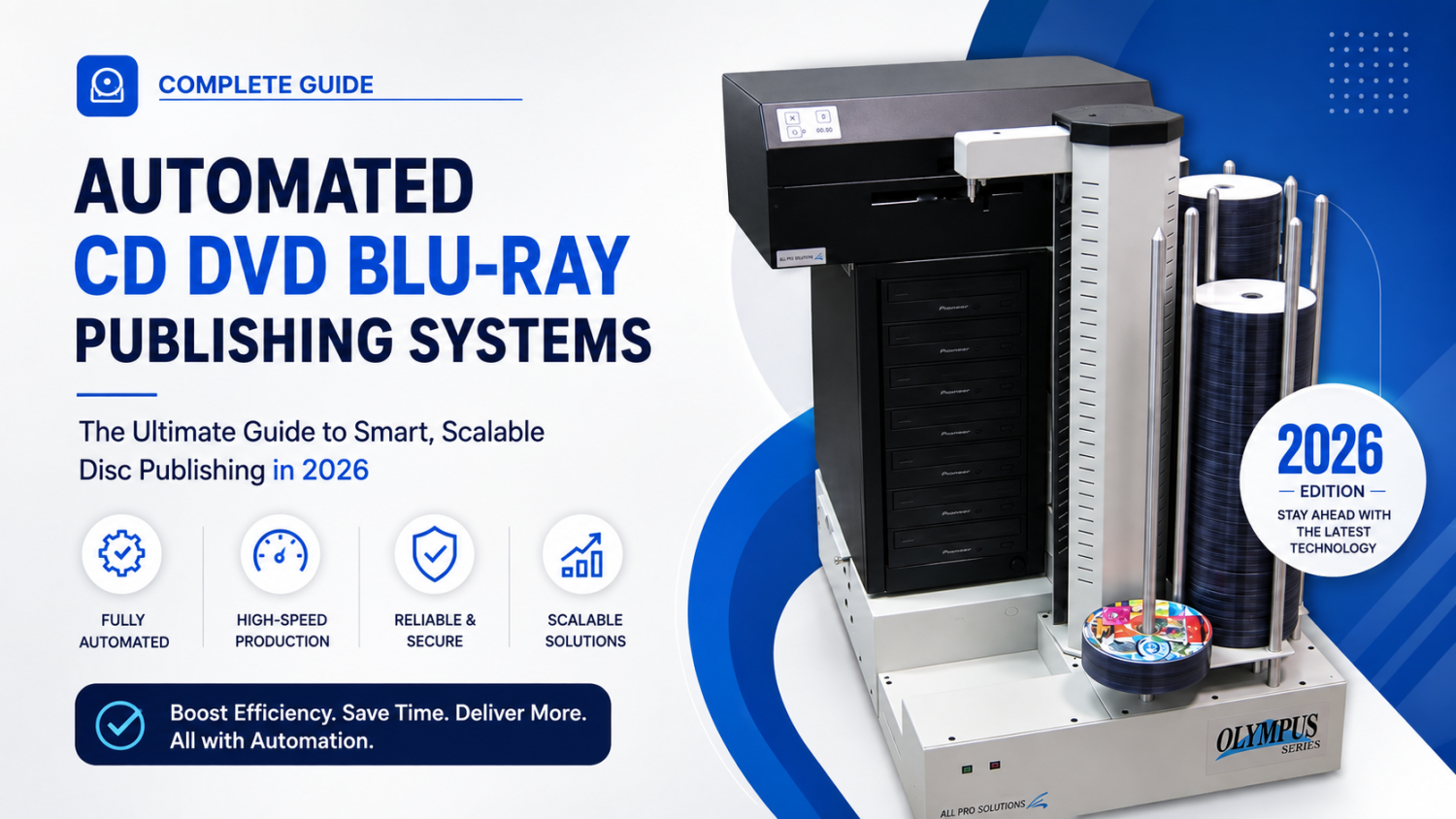
At All Pro Solutions, we provide automated and safe archiving technologies that are scalable for any size business, like CD/DVD/Blu-ray archiving robots, secure disc publishers, and offline backup data systems.
Final Thoughts
As your business grows, so does your data. Relying on older or manual methods puts your operations at risk. Investing in automated data archiving and safe offline storage is no longer an option—it's a smart move toward long-term efficiency, compliance, and security.
