


Why Every Driver Needs an In-Car Dash Camera in 2026
Jul 07, 2026

In the modern healthcare environment, medical imaging is pivotal to diagnosis, treatment planning, and continuous patient care. As digital imaging technologies such as MRI, CT, X-ray, and ultrasound continue to surge, so does the need to manage, distribute, and store these huge image files. Herein lies the role of DICOM publishing systems.
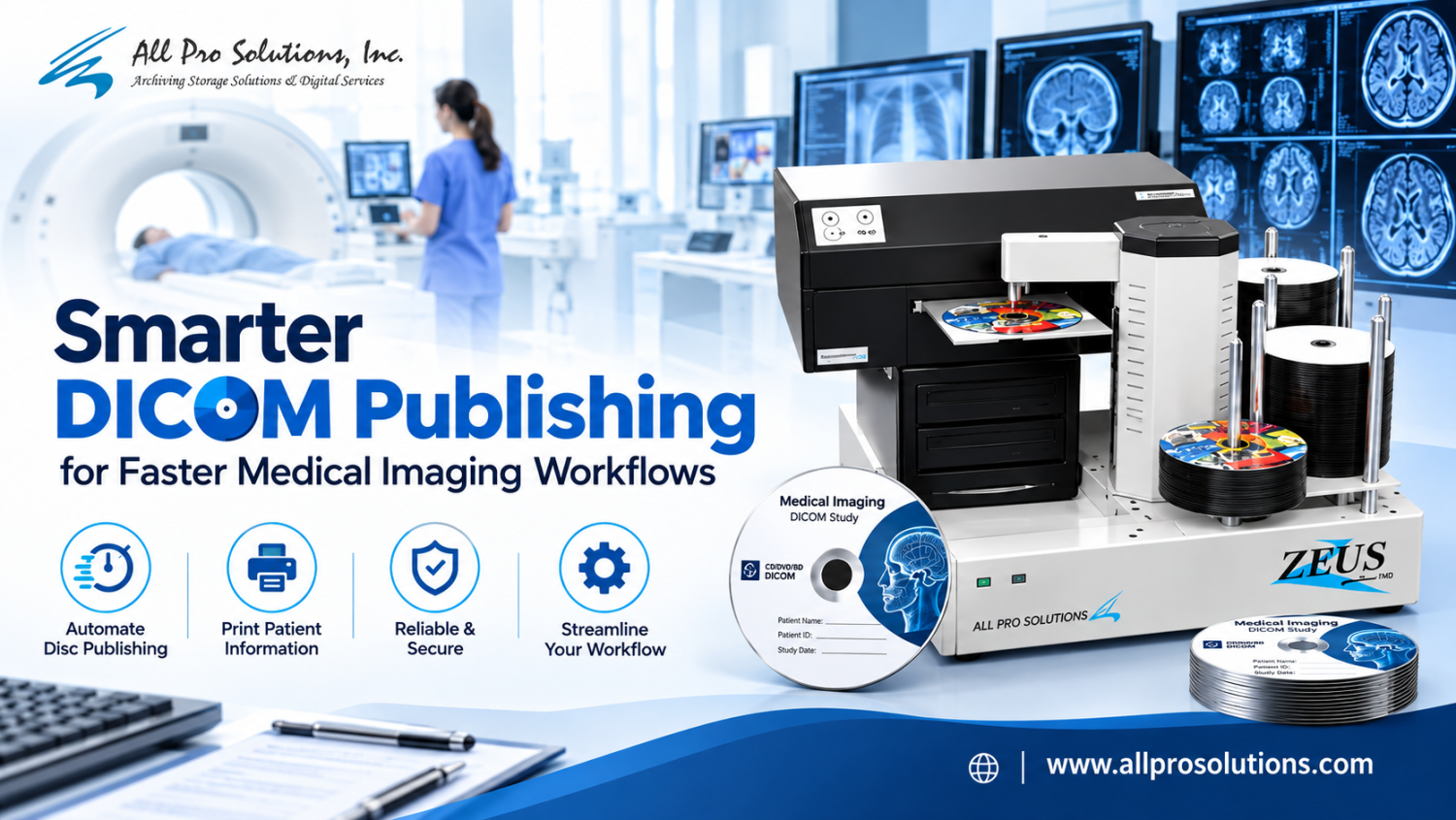
A DICOM Publishing System is a dedicated application used to convert, store, and distribute medical images and related patient information on portable media like CDs and DVDs. These systems facilitate hospitals and diagnostic centers in effectively streamlining medical imaging processes with data accuracy as well as adherence to health information standards.
Understanding DICOM: The Digital Backbone of Medical Imaging
Before diving into how DICOM publishers work, it's essential to understand what DICOM is.
DICOM (Digital Imaging and Communications in Medicine) is the international standard for handling, storing, printing, and transmitting medical imaging information. DICOM files include both the image and metadata, such as patient information, scan parameters, and timestamps.
These files are essential for the interoperability of medical imaging equipment and hospital systems such as PACS (Picture Archiving and Communication Systems). Seamless communication among various imaging machines, physicians, and departments would be virtually impossible without DICOM.
What Are Medical DICOM Publishing Systems?
Medical DICOM publishing systems are equipment or software programs that allow healthcare professionals to burn DICOM files from imaging equipment or PACS to physical media like CDs or DVDs. They usually come with such features as:
DICOM data burning and conversion
Automated labeling and printing
Multiple drive support for increased throughput
Integration of PACS and RIS systems
Robotic disc handling and publishing
How Does a DICOM Publishing System Work?
The basic process of a DICOM medical publishing system typically includes the following:
1. Image Capture and Transfer
Images are taken from imaging modalities like MRI or CT scanners and transferred to a PACS system. From there, certain images can be queued to be published.
2. Patient Data Input
Operators can enter patient-specific information, including name, ID, study description, and referring physician. The data is embedded into the DICOM files and utilized for labeling.
3. File Preparation and Formatting
The DICOM publisher formats the files for burning. It can also place a DICOM viewer application on the disc so that physicians can open and view the images on any standard computer without additional software.
4. Burning and Labeling
The DICOM burner burns the prepared DICOM files to a CD or DVD with a built-in disc writing system. More advanced systems, such as DICOM burner robots, do it all automatically — loading discs, burning data, and adding printed labels.
5. Disc Delivery
The finished product is a completely labeled and validated DICOM CD or DVD ready for delivery to patients, physicians, or long-term storage.
Why Use a DICOM CD or DVD Burner in Healthcare?
Despite the advances made in cloud storage and online sharing, physical media is still commonly used in healthcare for a number of reasons:
Portability: A DICOM CD or DVD can be given directly to patients or shipped to outside experts.
Compliance: Physical discs provide a HIPAA-compliant means of transferring sensitive information securely.
Cost-Effective: Compared to network storage, disc burning can be less expensive for small to mid-sized facilities.
Ease of Access: Discs frequently feature pre-installed viewers, so doctors can open images without requiring special software.
Automated vs Manual Publishing: The Power of Robotic Burners
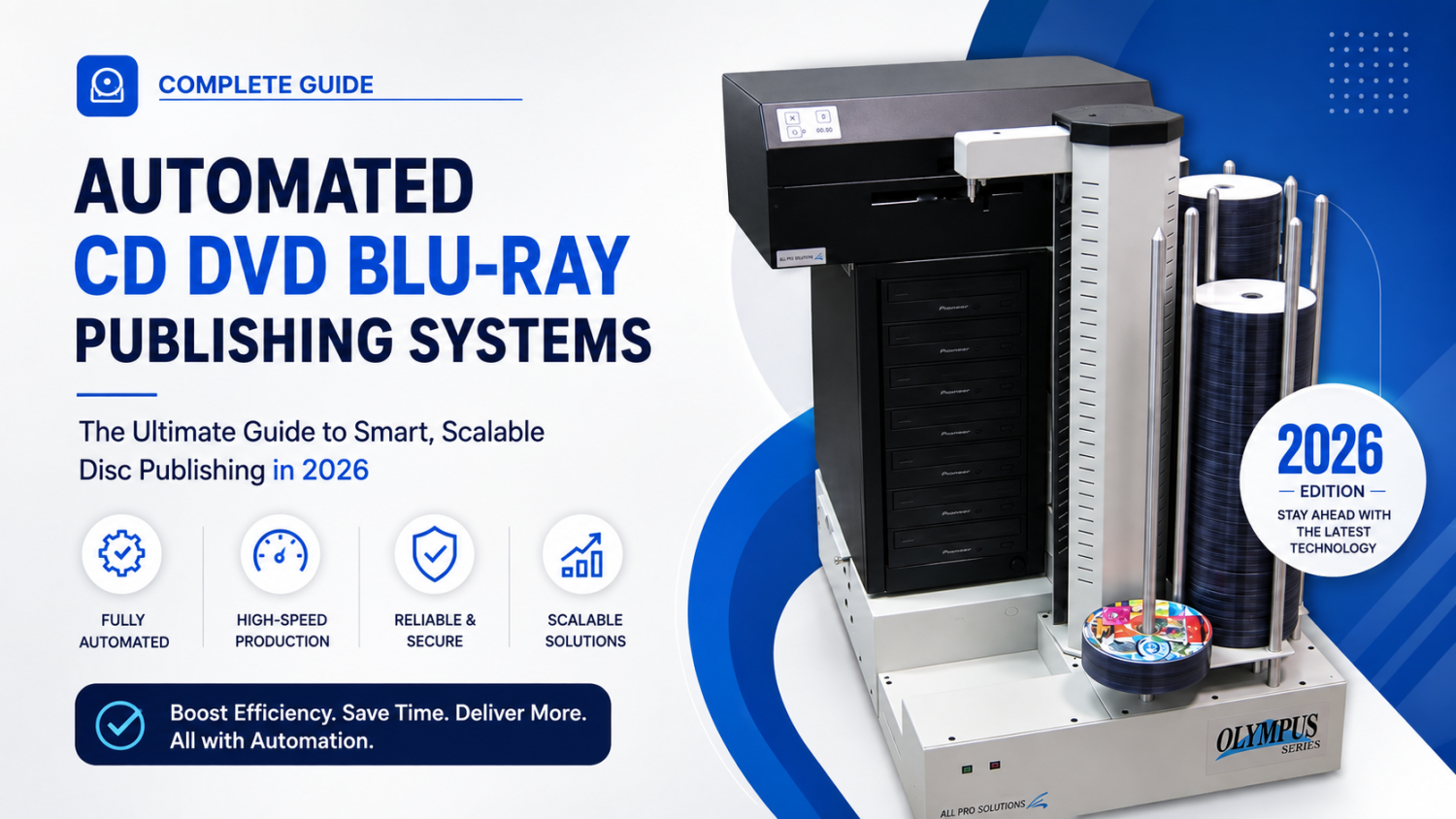
For very busy facilities, burning discs manually can be a bottleneck. This is where automated DICOM publishers or DICOM burner robots come in handy.
These robotic systems, like the Zeus MD Series 2-4 Drive CD DVD Medical DICOM Publishing Systems, are able to burn discs in batches and print high-quality full-color labels without any intervention by human beings.
The key advantages are
Improved throughput
Less manual errors
Hands-free operation
Consistent performance at peak hours
Integration with Hospital Systems
Contemporary DICOM medical publishers are fully compatible with hospital information systems such as PACS, HIS (Hospital Information System), and RIS (Radiology Information System). Smooth data transfer, job creation, and labeling are enabled by this.
Some of the sophisticated DICOM publishing systems also provide HL7 support for increased interoperability and can be designed to burn discs automatically based on triggers such as finished scans or physician requests.
Use Cases and Applications
DICOM publishers have uses in a range of medical settings:
Radiology Departments: For the exchange of diagnostic images with referring physicians.
Oncology Centers: To make available full imaging records for cancer care planning.
Orthopedic Clinics: For patient handovers and surgical planning.
Diagnostic Labs: To make available test results and scans to patients or consulting doctors.
Telemedicine: Where cloud delivery is impossible, a DICOM disc is still a handy method of data transmission.
Choosing the Right DICOM Publisher
When choosing a CD, DVD, or Medical DICOM publisher, healthcare professionals should take into account:
Speed & Volume: Number of discs and drives per hour
Disc Format Support: CD, DVD, Blu-ray
Integration Capability: PACS, RIS, HL7 compatibility
Labeling Quality: Thermal or inkjet printing
Automation Level: Robotic, semi-automated, or manual
Reliability: Proven support with trusted brands
One top-of-the-line solution available is the Zeus MD Series 2-4 Drive CD DVD Medical DICOM Publishing Systems, which are renowned for speed, dependability, and transparent integration.
Future of DICOM Publishing
As there is a quick transition towards cloud-based PACS and secure digital transmission, some question whether DICOM disc publishing is a thing of the past. The fact, however, remains that physical media will be playing a significant role in:
Facilities with limited internet bandwidth
Legal and archival documentation
Patient-ordered copies
Backup in network failure situations
In this changing environment, hybrid solutions that integrate both cloud and disc publishing are gaining traction. DICOM disc publishing systems are crucial tools in the healthcare infrastructure, facilitating the interaction between digital imaging and physical data exchange.
You may operate a small diagnostic facility or a hospital, but having a trusted DICOM disc publisher installed can automate processes, improve patient care, and optimize workflow efficiency.
From simple DICOM CD burners to complete automated solutions such as DICOM burner robots, there are various solutions in the market to meet every requirement. With products such as the Zeus MD Series CD DVD Medical DICOM Publishing Systems, medical providers can provide safe, speedy, and compliant image distribution—a single disc at a time.
