

Why Every Driver Needs an In-Car Dash Camera in 2026
Jul 07, 2026
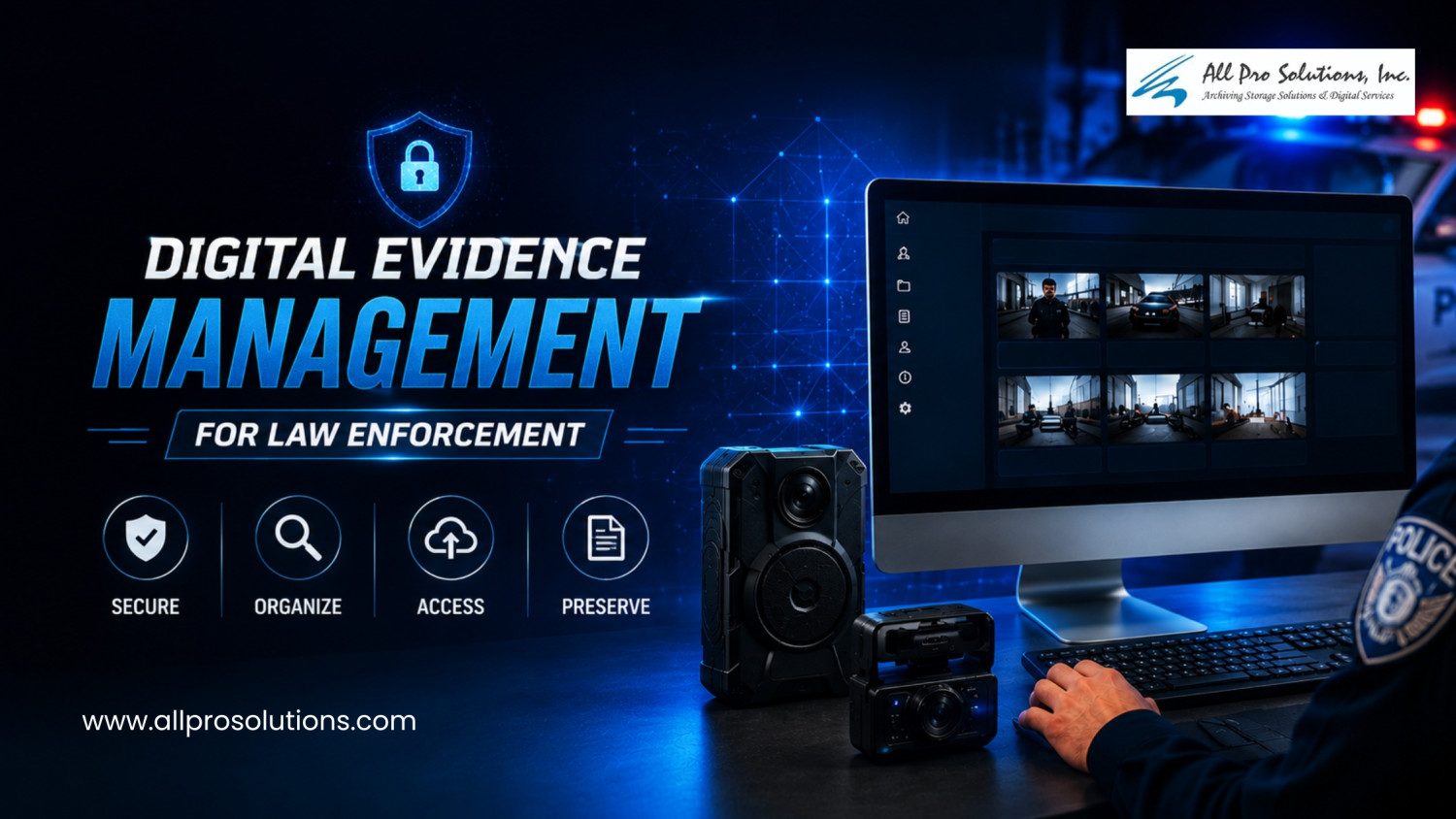
In today’s digital world, state and local government agencies, sheriff’s offices, and police departments manage massive amounts of sensitive information every day. From body-worn camera footage and case files to interview recordings and public records, the volume of digital evidence continues to grow rapidly. Managing that data safely, securely, and cost-effectively has become a major challenge. This is where a modern Automated Data Archiving & Offline Storage System becomes essential.
A reliable archiving system does much more than simply store files. It protects digital evidence, maintains the data chain of custody, reduces cybersecurity risks, and ensures long-term accessibility for years or even decades.
In this article, we’ll explore the key features that make modern archiving solutions valuable for law enforcement agencies and government organizations.
Why Modern Data Archiving Matters
Many organizations still rely heavily on traditional servers, external hard drives, or cloud-only storage solutions. While those methods may work for short-term storage, they often create challenges related to security, cost, and long-term data management.
Government agencies and law enforcement departments need systems that can:
* Preserve evidence integrity
* Protect against ransomware attacks
* Meet retention requirements
* Reduce storage costs
* Provide fast and organized access to records
A modern Automated Optical Data Archiving & Offline Storage Solution is designed specifically to solve these issues.
Key Features of a Modern Automated Data Archiving System
1. Automated Data Management
One of the biggest advantages of a modern data archiving system is automation. Instead of manually transferring files to storage devices, the system automatically archives files based on policies and schedules. This reduces human error and saves valuable staff time.
For example, a sheriff’s office may automatically archive body camera footage after a case is closed, while keeping active investigations accessible on primary servers.
Automation helps agencies:
* Organize data efficiently
* Improve workflow
* Reduce manual handling
* Ensure compliance with retention policies
This is especially important when dealing with large volumes of digital records storage and evidence files.
2. Secure Offline Data Storage
Cybersecurity threats are increasing every year, especially ransomware attacks targeting public agencies and law enforcement systems. A major feature of modern offline data storage is protection from online threats.
Unlike cloud-connected storage, offline archives are physically disconnected from the network. This creates an “air gap” that prevents hackers, malware, or ransomware from accessing archived files.
Benefits of offline data security include:
* Protection against cyberattacks
* Safer long-term preservation
* Reduced risk of unauthorized access
* Better control over sensitive evidence
For agencies handling confidential records and criminal evidence, offline protection is no longer optional — it’s critical.
3. Long-Term Data Preservation
Government records and law enforcement evidence often need to be retained for many years. Some files may even require permanent preservation. Modern long-term data storage solutions are designed specifically for durability and reliability.
Many agencies now use Archival Blu-Ray Discs because they provide stable, long-lasting storage compared to traditional hard drives or tape systems.
Archival-grade optical media offers:
* Long media lifespan
* Protection against data corruption
* Resistance to environmental damage
* Reliable cold storage performance
This makes optical media ideal for cold data storage and long-term evidence retention.
4. Strong Data Chain of Custody
Maintaining a secure data chain of custody is essential for law enforcement agencies.
Digital evidence must remain authentic and traceable throughout its lifecycle. A modern archiving system helps maintain this chain by recording detailed logs and tracking all file activities.
Important chain of custody features include:
* Audit trails
* User access tracking
* File verification
* Tamper detection
* Secure authentication
These tools help agencies prove evidence integrity during investigations and court proceedings.
5. Scalable Storage Capacity
Data growth is unavoidable. Body cameras, dash cameras, surveillance footage, and digital case files generate enormous amounts of information every day.
A modern data storage solution should scale with organizational needs without creating unnecessary complexity.
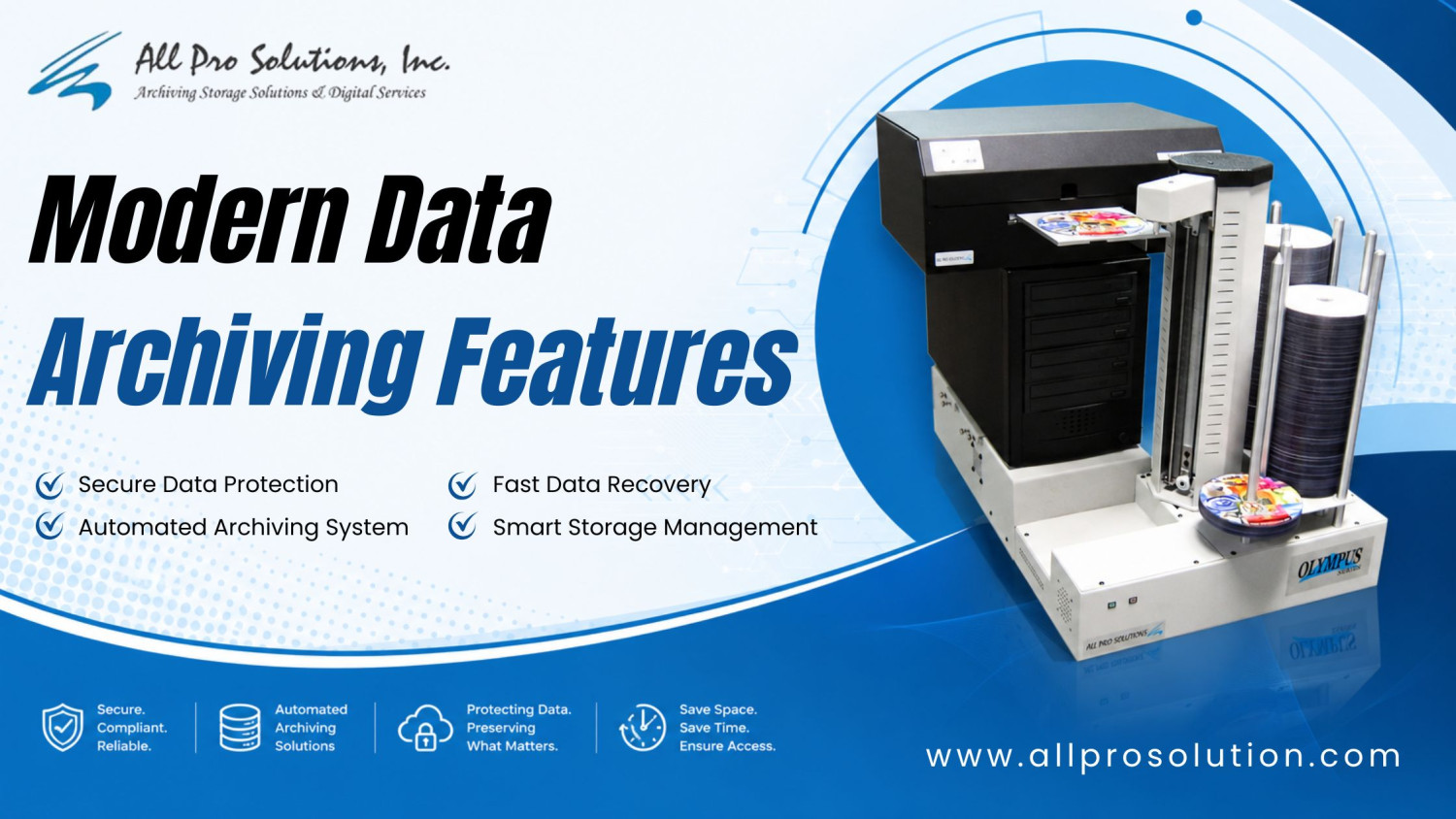
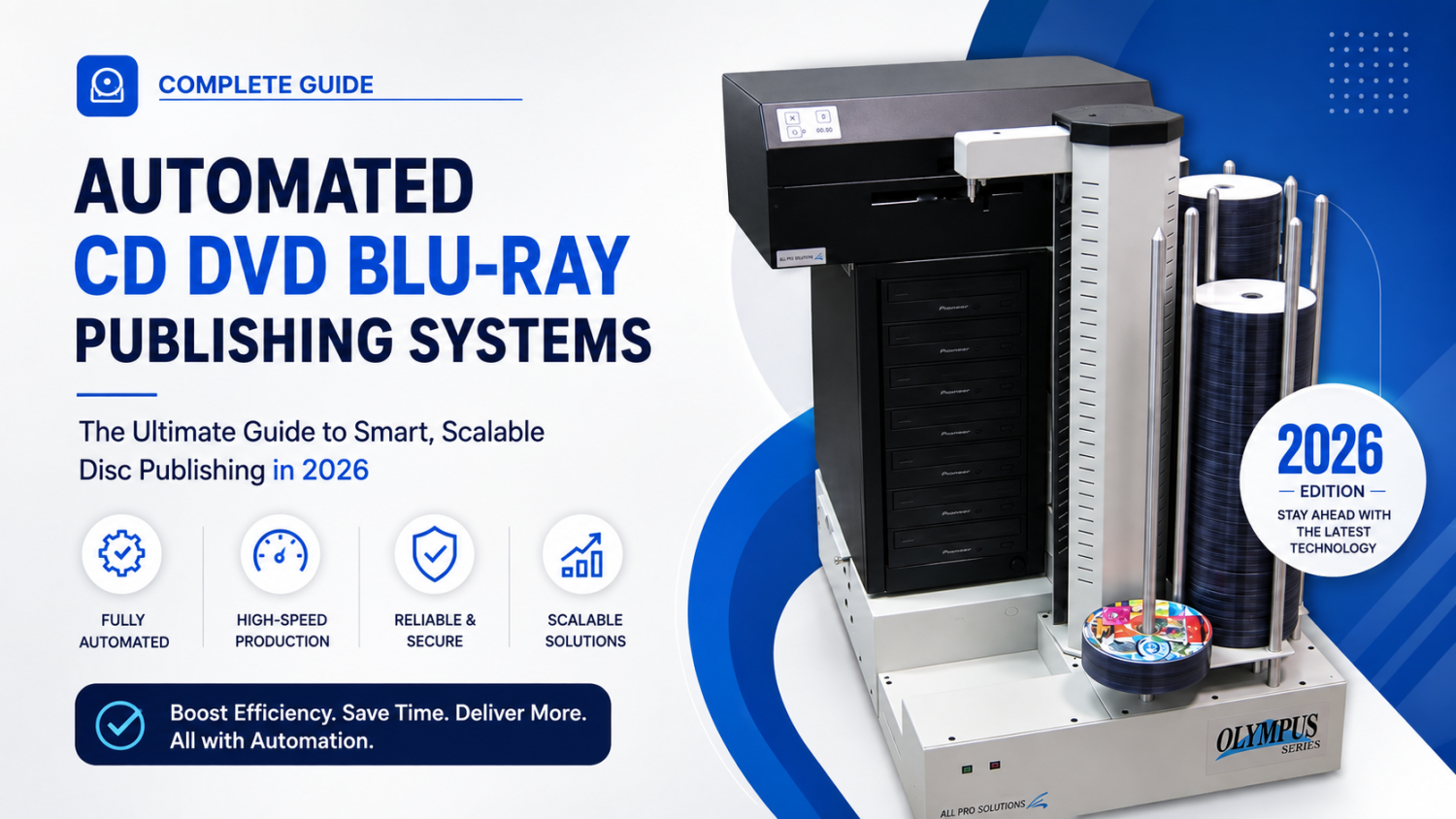
Systems like the Olympus 4H AE Archiving System are designed to handle growing storage requirements while maintaining automation and accessibility.
Scalable systems allow agencies to:
* Add storage capacity easily
* Manage increasing evidence volumes
* Reduce infrastructure limitations
* Support future growth
This flexibility is important for both small departments and large government organizations.
6. Smart Physical Media Management
Modern archiving systems are not just about software. Physical media organization also matters.
Solutions such as the DiscStor 900 smart disc storage cabinet help agencies securely manage and organize archived media.
Smart storage cabinets improve operational efficiency by:
* Automatically organizing discs
* Tracking stored media
* Reducing handling errors
* Improving archive accessibility
* Supporting secure evidence management
For agencies managing thousands of archived files, organized physical storage becomes a major operational advantage.
7. Reliable Digital Evidence Backup
Losing digital evidence can create serious legal and operational consequences. A dependable digital evidence backup strategy is essential for protecting investigations and public records.
Modern archiving solutions provide multiple layers of protection, including:
* Redundant copies
* Automated backups
* Offline preservation
* Data integrity checks
This helps ensure that evidence remains available even during system failures, cyber incidents, or disasters.
8. Cost-Effective Long-Term Storage
Many organizations struggle with the rising costs of cloud storage and high-performance servers. A modern offline data archiving solution can significantly reduce long-term expenses by moving inactive data into secure archival storage.
Benefits include:
* Lower cloud storage costs
* Reduced server load
* Improved storage efficiency
* Lower maintenance requirements
For agencies managing years of archived data, cost savings can become substantial over time.
9. Easy Retrieval and Accessibility
Archived data is only useful if it can be retrieved when needed. Modern systems provide searchable indexing and organized retrieval processes that make locating records much faster.
Whether investigators need case footage from five years ago or government staff need archived documents for compliance purposes, fast retrieval improves operational efficiency.
Good archiving systems help users:
* Search archived records quickly
* Retrieve files securely
* Reduce administrative workload
* Improve response times
* Why Agencies Choose All Pro Solutions Archiving Systems
Many agencies are now investing in professional All Pro Solutions archiving and storage solutions because they combine automation, security, scalability, and long-term reliability.
These systems are specifically designed to support:
* Law enforcement agencies
* Sheriff’s offices
* State and local governments
* Public safety departments
* Evidence management teams
By combining automated workflows, secure offline protection, and durable optical storage technology, modern archiving systems help organizations manage growing digital evidence challenges more effectively.
A modern Automated Optical Data Archiving & Offline Storage Solution is far more than a simple backup system. It plays a critical role in protecting digital evidence, maintaining compliance, improving cybersecurity, and supporting long-term data management.
For government agencies and law enforcement departments, features like secure offline data storage, automated workflows, scalable capacity, and reliable digital evidence storage are becoming essential.
As digital records continue to grow, investing in the right data archiving system helps organizations stay secure, organized, and prepared for the future.
